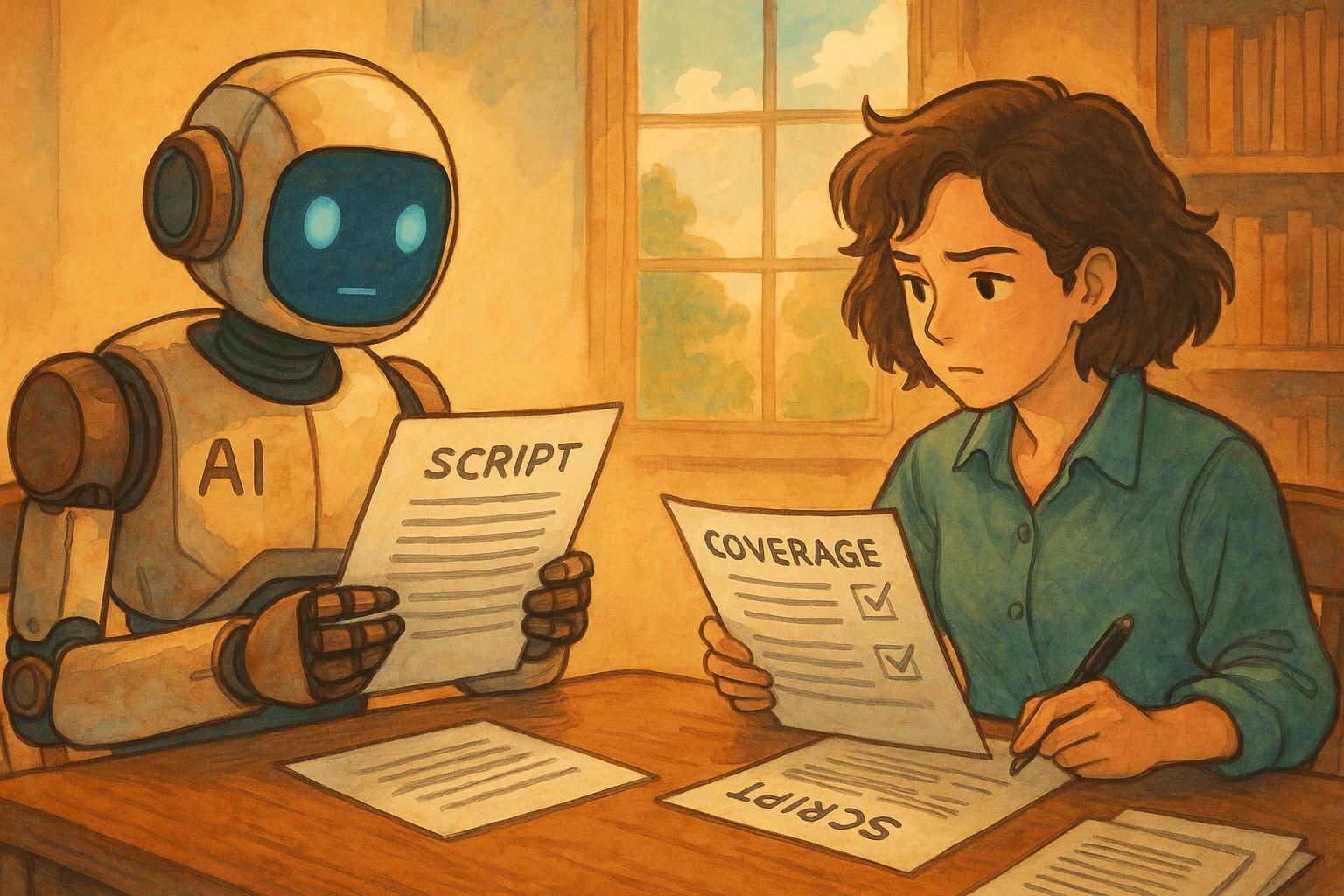
In today's competitive entertainment landscape, producers face the constant challenge of identifying and developing scripts with the highest potential for success. Artificial Intelligence (AI) is emerging as a game-changing tool in this process, offering producers unprecedented insights and efficiency. Let's explore how AI-powered script analysis, like that provided by Prescene, is revolutionizing script development and decision-making for producers.
1. Rapid Initial Assessment
AI can analyze scripts in minutes, providing a comprehensive overview of plot structure, character development, and market potential. This allows producers to quickly sift through numerous submissions and focus their attention on the most promising projects.
2. Objective Story Analysis
While human readers bring valuable insights, they can also introduce biases. AI offers an impartial analysis based on established storytelling principles and market trends, helping producers make more objective decisions.
3. Comparative Market Insights
AI tools like Prescene can provide instant comparables, offering producers valuable context about how similar projects have performed in the market. This data-driven approach helps in assessing a script's commercial viability.
4. Character and Dialogue Analysis
AI can break down character arcs, dialogue patterns, and relationships, offering insights that might be missed in a traditional read. This can be particularly useful in identifying unique character dynamics or potential casting challenges.
5. Theme and Tone Evaluation
By analyzing language use and narrative patterns, AI can provide a detailed breakdown of a script's themes and tone. This helps producers ensure alignment with their target audience and brand identity.
6. Identifying Script Problems Early
AI analysis can flag potential issues in pacing, structure, or character development early in the process. This allows producers to address problems efficiently, potentially saving significant time and resources in later development stages.
7. Customizable Analysis
Leading AI platforms allow producers to customize their analysis parameters, focusing on specific elements that align with their company's priorities or the needs of particular projects.
8. Trend Identification
By analyzing large volumes of scripts, AI can identify emerging trends in storytelling, genres, or themes. This foresight can be invaluable for producers looking to stay ahead of market shifts.
Implementing AI in Your Development Process:
- Use AI as a First Filter: Let AI analysis be your initial screening tool, helping you prioritize which scripts warrant a deeper human read.
- Complement, Don't Replace: Use AI insights to enhance, not replace, human expertise. The most effective approach combines AI analysis with experienced script readers.
- Inform Development Meetings: Use AI-generated insights to guide more focused and productive development meetings with writers.
- Data-Driven Pitches: Leverage the market insights and comparables provided by AI analysis to strengthen your pitches to investors or studios.
- Track Script Evolution: Use AI to analyze multiple drafts of a script, objectively tracking improvements and areas still needing work.
- Talent Matching: Some AI tools can suggest potential talent matches based on character descriptions and story elements, giving you a head start on packaging.
Challenges and Considerations:
- Learning Curve: There may be an initial learning curve in interpreting AI-generated reports effectively.
- Balancing Data and Intuition: While AI provides valuable data, it's crucial to balance this with creative intuition and industry experience.
- Customization Needs: Ensure the AI tool you choose allows for customization to align with your specific needs and preferences.
- Data Privacy: When using AI tools, be mindful of script confidentiality and choose platforms with robust security measures.
Bottom Line:
AI-powered script analysis is not about replacing the producer's role but about enhancing it. By leveraging tools like Prescene, producers can make more informed decisions, streamline their development process, and increase their chances of identifying and nurturing successful projects.
As the entertainment industry continues to evolve, embracing AI in script development isn't just an option – it's becoming a necessity for staying competitive. By combining the efficiency and insights of AI with your expertise and creative vision, you can navigate the complex world of script development with greater confidence and success.
Remember, the goal is to use AI as a powerful tool in your arsenal, allowing you to focus more of your valuable time and energy on the creative aspects of producing that truly require the human touch.